
🔒 GermainUX Okta integration
GermainUX can use Okta as an OAuth 2.0 and OpenID Connect identity provider, enabling users to access the Germain Workspace through enterprise single sign-on.
✨ The integration supports:
|
Feature |
|---|
|
Okta-managed users |
|
Centralized access control |
|
Multi-factor authentication when enforced by Okta |
|
Okta group-to-GermainUX Role mapping |
|
Centralized access revocation |
📋 Before You Begin
You need:
|
Requirement |
|---|
|
Administrator access to Okta |
|
Administrator access to GermainUX |
|
The public URL of the GermainUX instance |
|
An Okta OIDC or OAuth 2.0 application |
|
The Okta client ID and client secret |
|
The Okta groups that will map to GermainUX Roles |
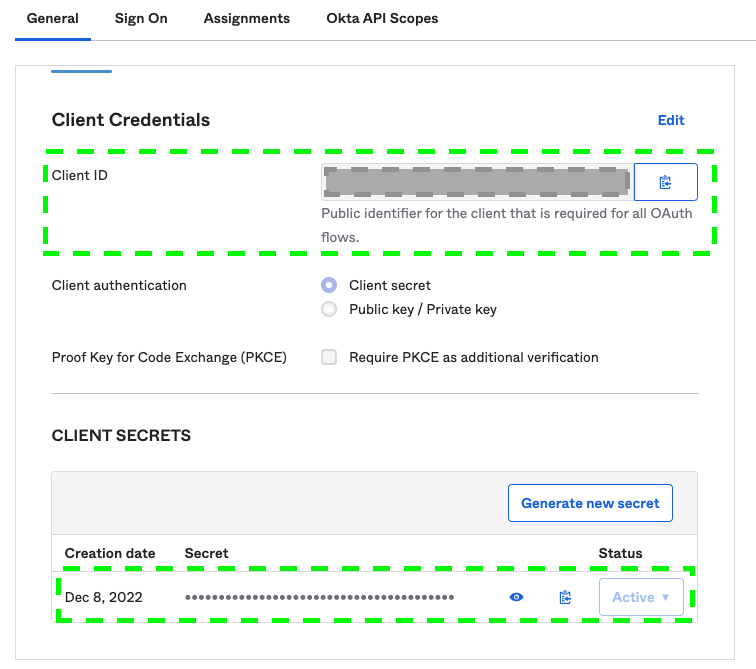
Ensure that the corresponding Roles already exist in GermainUX.
⚙️ Configure Okta
📂 Open the Application
-
Sign in to the Okta Admin Console.
-
Go to Applications > Applications.
-
Open the OIDC or OAuth 2.0 application used by GermainUX.
-
Select the General tab.
-
Locate the Login section.
↪️ Configure the Redirect URI
Add the GermainUX sign-in redirect URI:
https://<germainux-host>:<port>/login/oauth2/code/<registration-id>
Example:
https://germain.example.com/login/oauth2/code/okta
The redirect URI configured in Okta must exactly match the URI used by GermainUX, including:
|
Component |
|---|
|
Protocol |
|
Hostname |
|
Port, when applicable |
|
Path |
|
Registration identifier |
|
Letter case |
🔑 Record the Client Credentials
From the Client Credentials section, record:
|
Credential |
|---|
|
Client ID |
|
Client secret |
These values are required when configuring the OAuth provider in GermainUX.
Store the client secret securely and do not include it in documentation, email, or unsecured configuration files.
👥 Configure the Groups Claim
GermainUX can use the groups returned by Okta to assign GermainUX Roles.
-
Open the application’s Sign On tab.
-
Locate the OpenID Connect ID Token configuration.
-
Configure a groups claim.
-
Ensure that the claim is named
groups. -
Include the groups that must be mapped to GermainUX Roles.
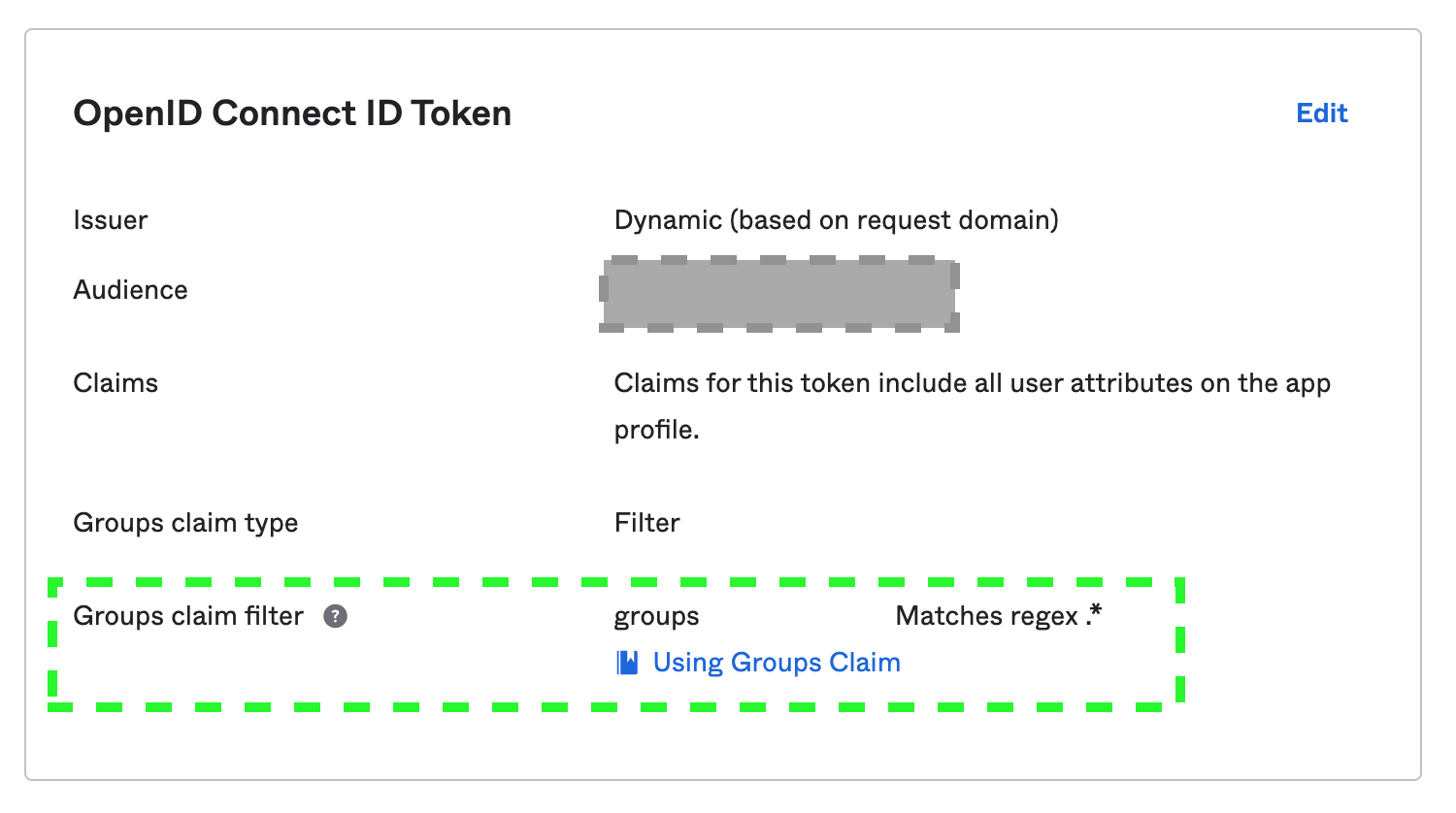
Group Claim Filter for OpenID - Germain UX
🔗 Map Okta Groups
To include Okta-managed groups:
|
Setting |
Value |
|---|---|
|
Group claim type |
Filter |
|
Claim name |
|
|
Filter |
Matches regex |
🖥️ Map Active Directory Groups
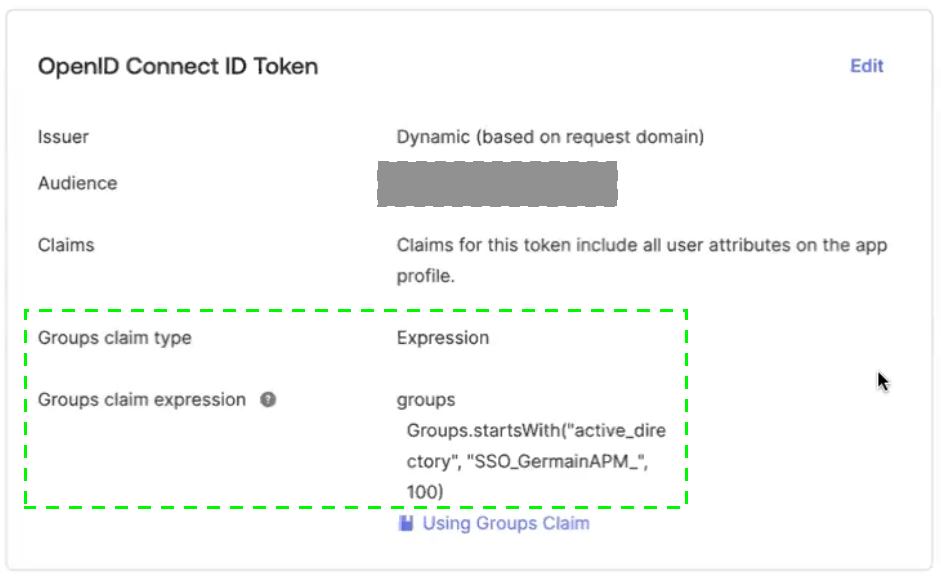
When Okta is connected to Active Directory, an expression can be used to return selected AD groups.
Example:
Groups.startsWith("active_directory", "Group_Name", 100)
Adjust the expression to match your Okta and Active Directory configuration.
Security recommendation: Return only the groups required by GermainUX instead of exposing every group assigned to the user.
🖥 Configure GermainUX
🧭 Configure the Default Redirect Path
-
Log in to the Germain Workspace as an administrator.
-
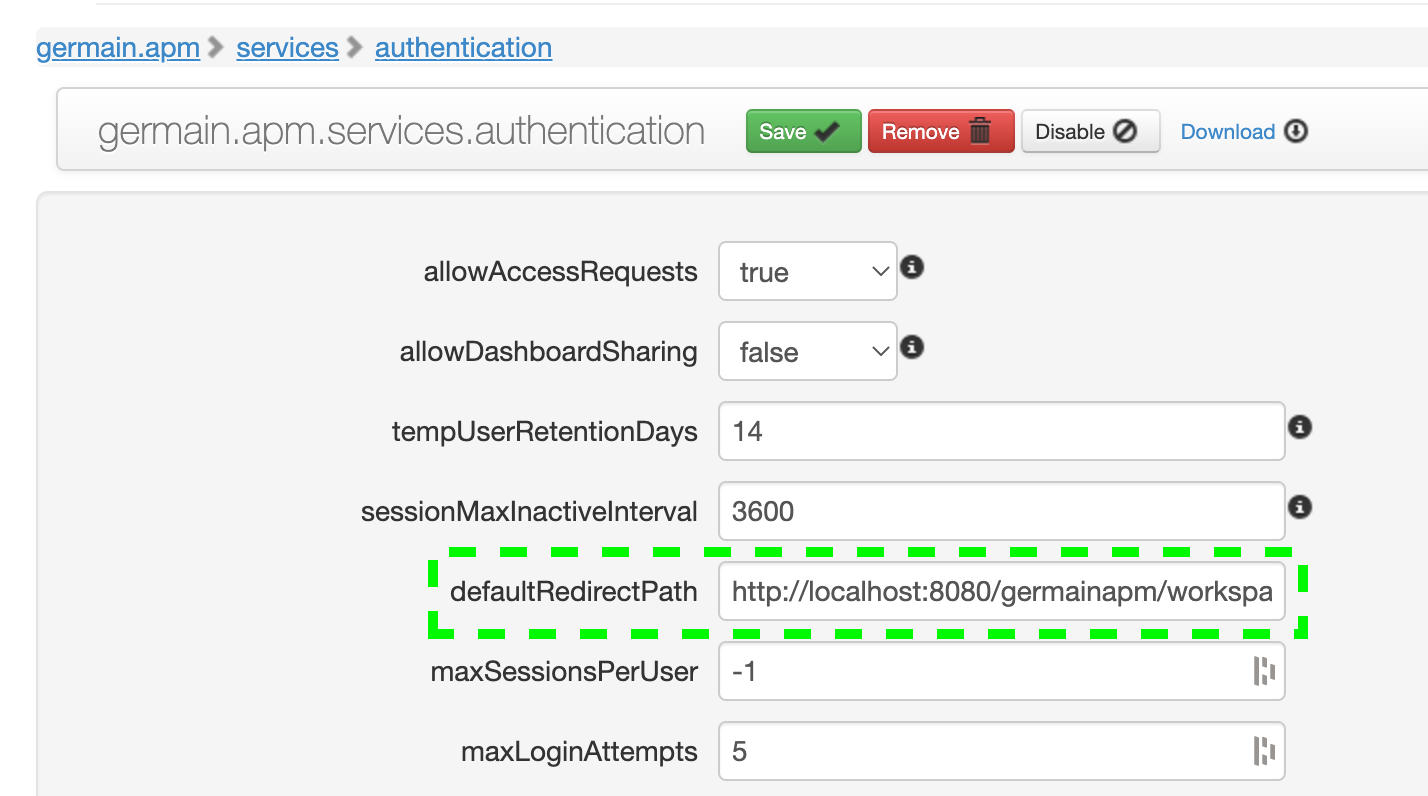
Go to System > System Settings > Root Config (Advanced).
-
Navigate to:
monitoringConfig > systemConfig > authentication -
Set
defaultRedirectPathto the Germain Workspace URL.
Example:
https://germain.example.com/germainapm/workspace/app
 Add the Okta Authentication Provider
-
Go to System > Auth Settings > Authentication.
-
Click Add New Configuration.
-
Select OAuth Provider.
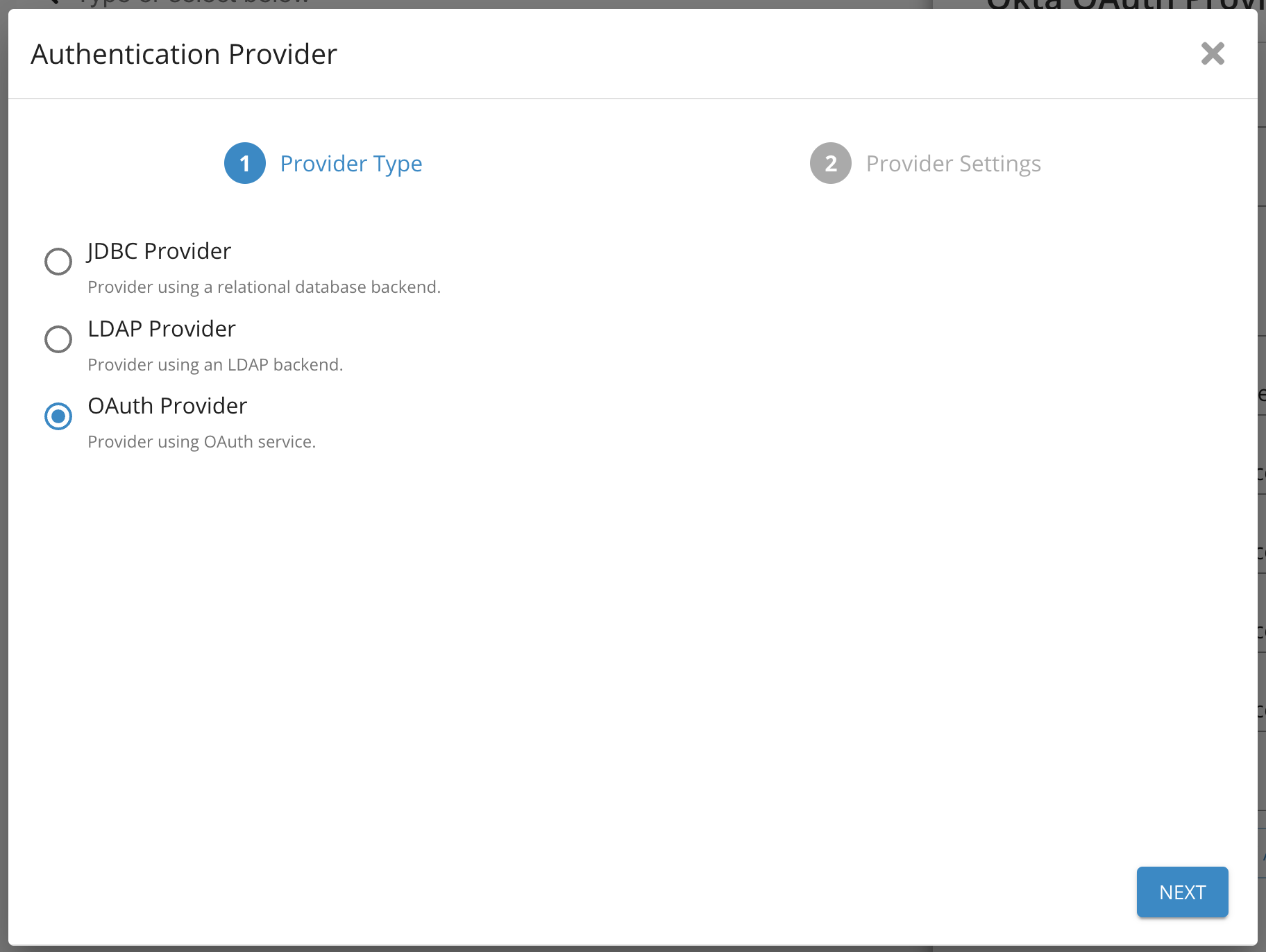
Select OAuth provider - Germain UX -
Click Next.
-
Configure the provider.
-
Click Finish.
-
Restart the Tomcat services to apply the configuration.
📇 Okta Provider Settings
|
Setting |
Value |
|---|---|
|
Provider Name |
A descriptive name, such as |
|
Client ID |
Client ID copied from Okta |
|
Client Secret |
Client secret copied from Okta |
|
Authorization Grant Type |
|
|
Redirect URI Template |
|
|
Authorization URI |
|
|
Token URI |
|
|
User Info URI |
|
|
JWK Set URI |
|
|
User Name Attribute |
|
|
JWS Algorithm |
Leave blank |
|
Role List Path |
|
|
Scopes |
|
|
Use PKCE |
Enable when required or to enforce Proof Key for Code Exchange |
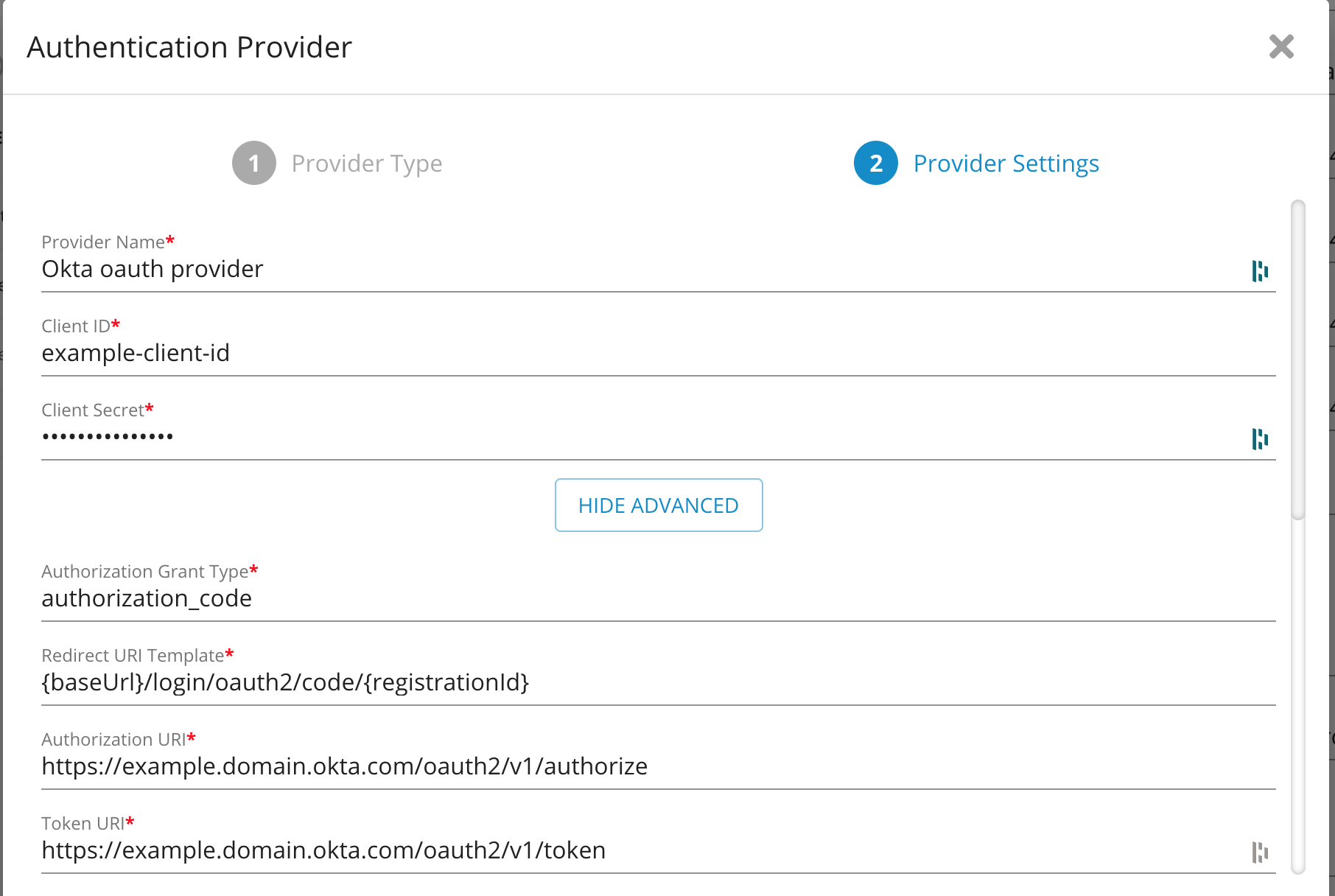
Replace <yourOktaDomain> with the organization’s Okta domain—for example:
https://example.okta.com
A confidential client with a protected client secret is recommended. When using a public client, configure PKCE according to your organization’s security requirements.
🗺️ Configure Role Mapping
The group names returned in the Okta groups claim must match Roles configured in GermainUX.
To review or create Roles, go to:
Germain Workspace > Left Menu > System > Auth Settings > User Roles
For example:
|
Okta Group |
GermainUX Role |
|---|---|
|
|
|
|
|
|
Confirm that:
|
Check |
|---|
|
Every required Okta group has a matching GermainUX Role |
|
Role names use identical spelling and capitalization |
|
Each Role contains the appropriate permissions |
|
Users are assigned to the correct Okta groups |
🔟 Log In with Okta
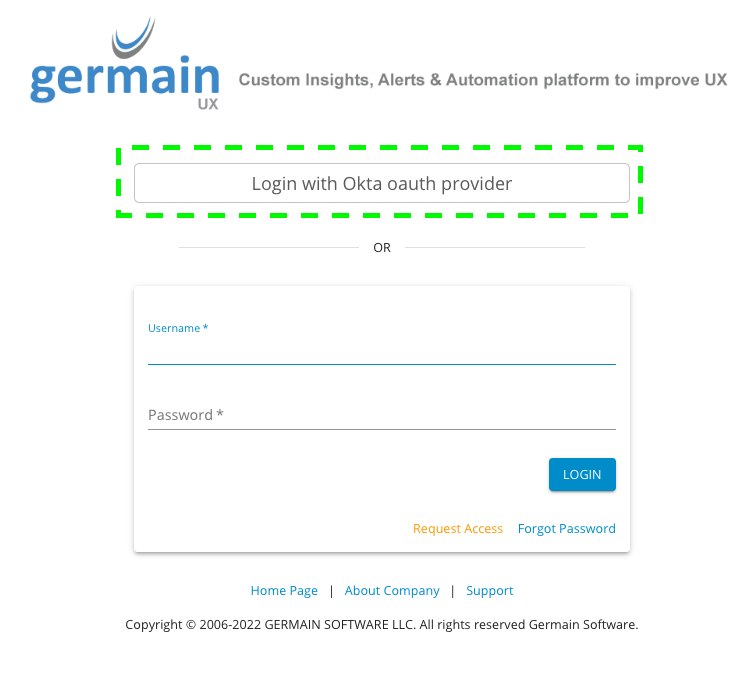
After the configuration is applied, the GermainUX login page displays an Okta login option.
-
Open the GermainUX login page.
-
Select Login with Okta.
-
Authenticate through Okta.
-
Complete multi-factor authentication if required.
-
Okta redirects the user to GermainUX.
-
GermainUX maps the returned groups to Roles and opens the Workspace.
✅ Validate the Integration
Test the integration with a non-administrator account.
Confirm that:
|
Check |
|---|
|
Login with Okta appears on the login page |
|
The user is redirected to the correct Okta organization |
|
Authentication completes successfully |
|
The user’s email is returned as the username |
|
Okta groups map to the expected GermainUX Roles |
|
The user can access only authorized features and data |
|
Users without access to the Okta application cannot enter GermainUX |
|
Removing a user from an Okta group removes the corresponding GermainUX permissions |
 Troubleshooting
If Okta authentication fails:
-
Confirm that the redirect URI in Okta exactly matches the URI generated by GermainUX.
-
Verify the client ID and client secret.
-
Confirm that the Okta domain and endpoint URLs are correct.
-
Verify that the requested scopes are enabled.
-
Confirm that the
groupsclaim is included in the returned user information. -
Verify the Role List Path.
-
Confirm that matching Roles exist in GermainUX.
-
Review the GermainUX REST service logs.
For additional diagnostics, temporarily enable DEBUG logging for:
com.germainsoftware.apm.auth.security
Reproduce the login attempt, review the REST service logs, and then restore the normal logging level.
Service: Authentication
Feature Availability: 8.6.0 or later