
⚙️ Automatically Adjust Application Log Levels
GermainUX can automatically change an application’s log level when configured conditions occur.
For example, GermainUX can temporarily increase logging when an error, performance degradation, or SLA breach is detected. After the investigation period or issue resolution, it can restore the application’s normal log level.
This provides additional diagnostic detail when it is needed without requiring verbose logging to remain enabled continuously.
📋 Example Workflow
A typical automated workflow is:
|
Description |
|
|---|---|
|
1 |
GermainUX detects an error, anomaly, or SLA breach. |
|
2 |
An automation changes the application log level from |
|
3 |
GermainUX monitors or collects the additional diagnostic data. |
|
4 |
The issue is analyzed or resolved. |
|
5 |
A scheduled or event-driven action restores the original log level. |
🔧 Configuration Methods
GermainUX supports three primary methods for changing application log levels:
|
Method |
Use when |
|---|---|
|
Local Program Execution |
The log level can be changed by running an executable or command available on the monitored server. |
|
Script Execution |
A Shell, PowerShell, Python, Perl, Java, or other script is required to update the application configuration or call a management interface. |
|
Rule Execution |
Custom conditions, data processing, or decision logic must determine when and how the log level changes. |
💻 Configure Local Program Execution
Go to:
GermainUX Workspace > Wizards > Local Program
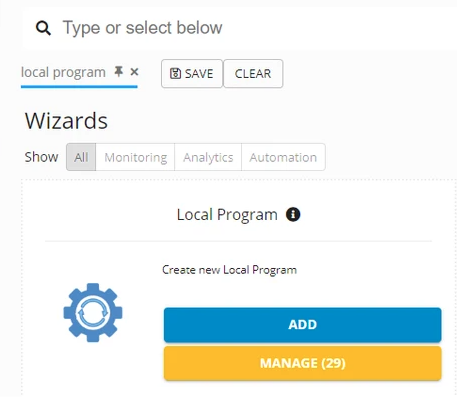
Configure the program or command that changes the application log level, then deploy it to the appropriate GermainUX Engine.
📃 Configure Script Execution
Go to:
GermainUX Workspace > Wizards > Script
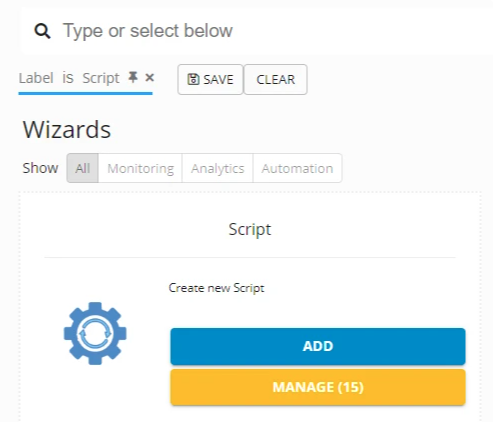
Provide the script, required parameters, execution target, credentials, and triggering conditions.
📜 Configure Rule Execution
Go to:
GermainUX Workspace > Wizards > Rule
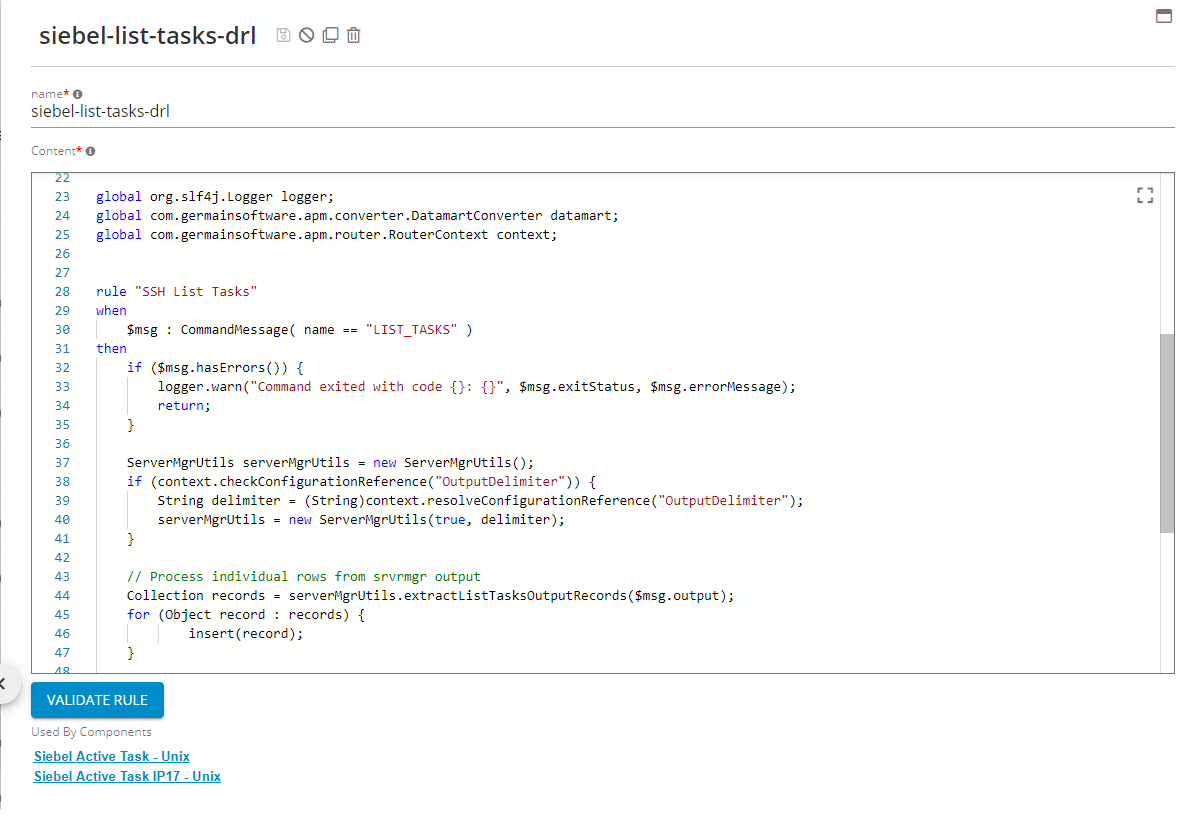
Create a rule that evaluates the required conditions and triggers the appropriate log-level action.
🛡️ Recommended Safeguards
Increasing application logging can affect performance, disk usage, data privacy, and operational cost. Before enabling automatic log-level changes:
|
Recommendation |
|---|
|
Limit verbose logging to the affected application, component, user, or transaction whenever possible. |
|
Set a maximum duration for |
|
Configure an automatic action that restores the normal log level. |
|
Prevent repeated executions through Quiet Time or execution limits. |
|
Confirm that the log directory has sufficient available capacity. |
|
Ensure that sensitive data is not exposed through verbose logs. |
|
Test the action in a nonproduction environment. |
|
Record who or what changed the log level and when. |
|
Notify the appropriate team when logging is increased or restored. |
The implementation depends on the application’s logging framework, management APIs, operating system, and deployment architecture.
ℹ️ Get Help
The Germain Team can help you set this up. Contact GermainUX Support.
Component: Engine
Feature Availability: 2014.1 or later