
⚙️ Configuring Script Execution in GermainUX for Automated Workflows
📚 Overview
Configure Script Execution to allow GermainUX to run custom Batch, Perl, PowerShell, Python, or Shell scripts as part of an automated workflow.
Scripts can execute:
|
Mode |
|
|---|---|
|
1 |
Continuously |
|
2 |
On a schedule |
|
3 |
When a defined condition is met |
|
4 |
As part of another GermainUX automated workflow |
This page explains how to configure, test, and validate Script Execution.
 Before You Begin
Before configuring a script, determine:
|
Question |
|---|
|
What the script should accomplish |
|
Where the script needs to execute |
|
Which script type is required |
|
What permissions are required |
|
Whether parameters or credentials are needed |
|
What should trigger execution |
|
How often it should run |
|
What should happen when it succeeds or fails |
Test scripts independently before enabling automated execution.
📁 Create a Script
Go to:
Germain Workspace -> Left Menu -> Settings -> Wizards -> Script
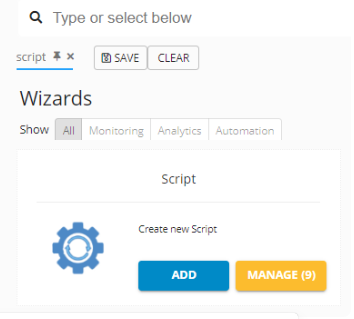
or
Germain Workspace → Left Menu → Settings -> Automation -> Script
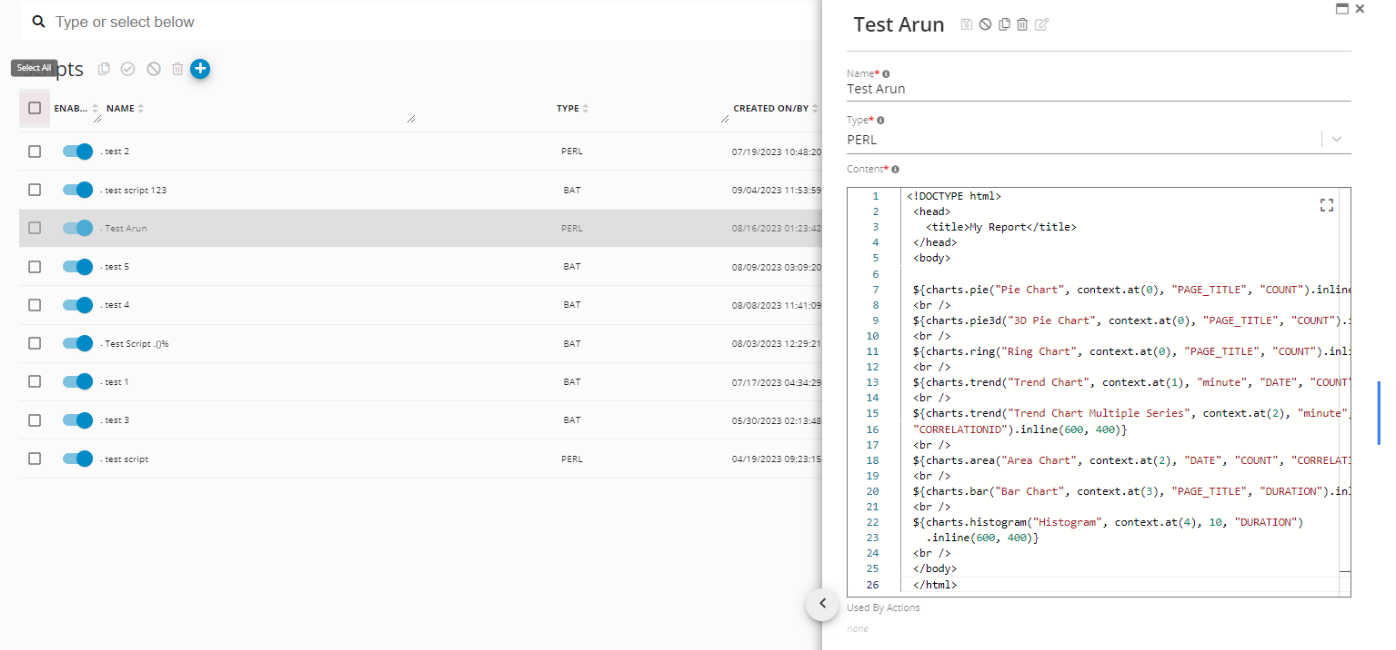
Create a new Script configuration and enter a descriptive name that identifies its purpose.
For example:
|
Example Name |
|---|
|
Restart Application Service |
|
Validate Database Connectivity |
|
Collect Application Diagnostics |
|
Clear Temporary Files |
|
Check Integration Status |
🔧 Select the Script Type
Select the appropriate script type:
|
Type |
|---|
|
Batch |
|
Perl |
|
PowerShell |
|
Python |
|
Shell |
The required runtime or interpreter must be available on the system where the script executes.
⚙️ Configure the Script
Add the script content and configure the settings required for execution.
Depending on the script and environment, this may include:
|
Setting |
|---|
|
Script content |
|
Command-line arguments |
|
Parameters |
|
Environment variables |
|
Working directory |
|
Execution timeout |
|
Runtime or interpreter |
|
Output handling |
Avoid embedding passwords, API keys, tokens, or other secrets directly in script content.
💻 Configure Where the Script Executes
Scripts are executed by the applicable GermainUX Engine.
Select or configure an Engine that has:
|
Requirement |
|---|
|
Network access to the required systems |
|
The appropriate runtime or interpreter |
|
Required operating-system permissions |
|
Access to required files or directories |
|
Access to external applications or services used by the script |
Use the minimum permissions required for the intended action.
⏱️ Configure When the Script Executes
Choose how the script should be triggered.
🔁 Continuous
Use continuous execution when the script needs to run repeatedly as part of ongoing monitoring or automation.
📅 Scheduled
Configure a schedule when the script should run at defined intervals or times.
For example:
|
Schedule |
|---|
|
Every hour |
|
Every night |
|
Every Monday |
|
During a defined operational window |
See Scheduling an Action.
🔍 Condition-Based
A script can execute when a monitored condition is detected.
For example:
Service unavailable → Execute diagnostic script
or:
Repeated application error → Execute remediation script
🔗 As Part of an Automated Workflow
Scripts can also be combined with Rules and other Automated Actions.
For example:
Detect → Analyze → Execute Script → Validate → Notify or Escalate
This enables GermainUX to use monitoring and analytics to determine when an operational action should occur and then continue monitoring to validate the result.
👥 Configure Parameters
When the script requires input values, configure the required parameters.
Parameters can be used to make scripts reusable across different:
|
Category |
|---|
|
Applications |
|
Servers |
|
Environments |
|
Users |
|
Processes |
|
Technologies |
Validate parameter values before passing them to scripts, particularly when values originate from monitored or external data.
✅ Configure Success and Failure Handling
Determine what GermainUX should do after execution.
Depending on the use case, this may include:
|
Action |
|---|
|
Capture the execution result |
|
Analyze returned output |
|
Generate an event |
|
Send a notification |
|
Create or update a ticket |
|
Execute another action |
|
Escalate when execution fails |
|
Continue monitoring to validate remediation |
For advanced decision logic, use Rules — Advanced Automation.
🧪 Test the Script
Test Script Execution in a non-production environment before enabling it in production.
Verify that:
|
Check |
|---|
|
The correct Engine executes the script. |
|
The required runtime or interpreter is available. |
|
Parameters are passed correctly. |
|
The script has the required permissions. |
|
Network and system dependencies are accessible. |
|
The expected action occurs. |
|
Output and errors are handled correctly. |
|
Failure conditions do not cause unintended actions. |
For scripts that modify systems or data, test both successful and unsuccessful execution scenarios.
✅ Validate in GermainUX
After enabling the configuration, confirm that:
|
Validation |
|---|
|
The script executes at the expected time or condition. |
|
Execution completes within the expected duration. |
|
The expected output is returned. |
|
Associated events or actions are generated correctly. |
|
Alerts or notifications occur when expected. |
|
The monitored system reaches the expected state after execution. |
When a script is used for remediation, continue monitoring the original condition to confirm that the action actually resolved the issue.
🔧 Troubleshooting
If a script does not execute as expected, verify:
|
Item |
|---|
|
The selected Engine is running. |
|
The script runtime or interpreter is installed. |
|
The Engine account has sufficient permissions. |
|
Required files and directories exist. |
|
Network connectivity is available. |
|
Parameters and arguments are valid. |
|
Environment variables are available. |
|
The configured trigger or schedule is active. |
|
The script executes successfully outside GermainUX under the same account and environment. |
Review the applicable GermainUX Engine logs for additional execution details.
🔒 Security
Scripts can perform powerful actions on monitored systems.
Follow these practices:
|
Practice |
|---|
|
Use least-privilege execution accounts. |
|
Do not store credentials directly in scripts. |
|
Restrict access to script configuration. |
|
Validate external inputs and parameters. |
|
Define appropriate execution timeouts. |
|
Limit the systems and resources accessible to scripts. |
|
Test potentially disruptive actions outside production. |
|
Follow your organization's security, privacy, approval, and change-management requirements. |
🔗 Related Documentation
|
Topic |
Link |
|---|---|
|
Script Execution |
|
|
Automation |
|
|
Rules — Advanced Automation |
|
|
Scheduling an Action |
|
|
Automated Actions |
ℹ️ Get Help
The Germain Team can help you set this up. Contact GermainUX Support.
Component: Engine
Feature Availability: 2014.1 or later